Establishing the power of pure desire, love, and meditation within the hearts of the youth across India and the world.
Explore AdviceIt so happened that in August 1987, during the Shri Krishna Puja at Bombay, Shri A.M. Pradhan made a suggestion to the collectivity in Bombay to establish a youth organization in the city Sahaj organisation in order to channelise their energies & enthusiasm in a useful and systematic manner. It was widely welcomed and it was decided to seek SHRI MATAJI's permission and blessings for this novel venture.
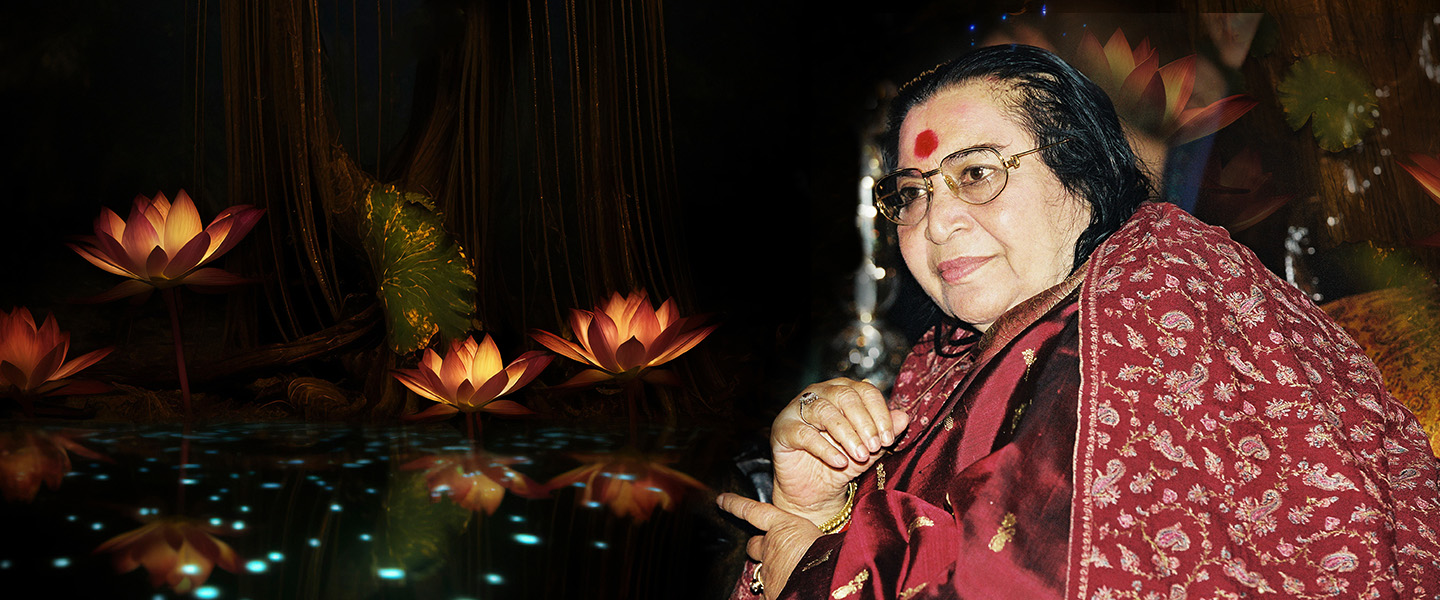
A few days later SHRI MATAJI was in Bombay and on her way to Pune in the train, this topic was introduced to HER. SHRI MATAJI was extremely happy and immediately gave all her blessings and christened this organisation "NIRMAL SHAKTI YUVA SANGHA".
During the entire course of the journey to Pune, for about three to three and a half hours, SHE gave the guidelines on which the development and growth of the Yuva Shakti and the individuals who were its constituents, was to take place. It was observed at that time that as boys and girls differ in socio-economic strata, some of them are not fortunate enough to get the much needed guidance at that age from their parents.
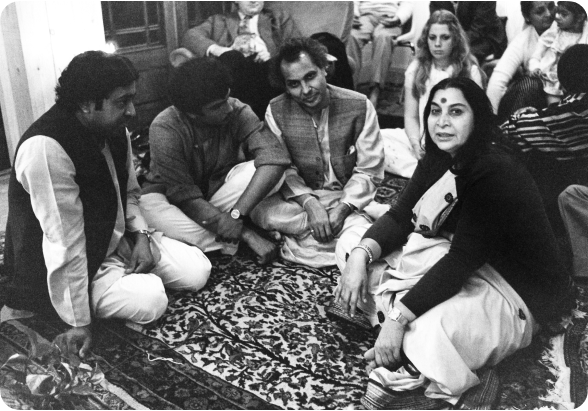
Listen directly to H.H. Shri Mataji Nirmala Devi addressing the Yuva Shakti and guiding the youth towards collective spirituality and righteousness.
Shri Mataji emphasized the importance of comprehensive knowledge and learning, starting with the spiritual origin of all wisdom.
This should specifically include: All aspects of the Shalivahana Dynasty, Shri Mataji's time and place of birth, and HER unique parents. Understanding HER role in the freedom struggle and association with Mahatma Gandhi.
Her childhood, medical education, and exemplary worldly roles as a daughter, housewife, mother, sister, and patriotic citizen.
Understanding the genesis of Sahaja Yoga (from 5th May 1970 at Nargol) to its global spread. Detailed knowledge of the subtle system (deities, nadis, and chakras) through HER discourses.
Learning meditation techniques, balancing methods, and the significance of Swayambhu Peethas and Adi Gurus in India.

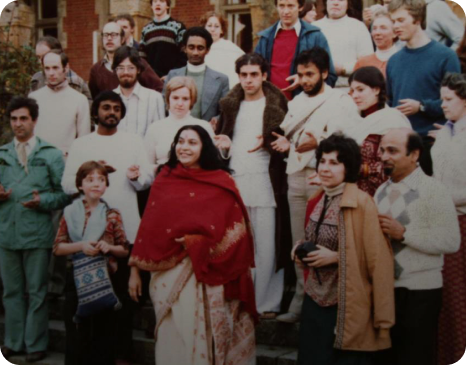
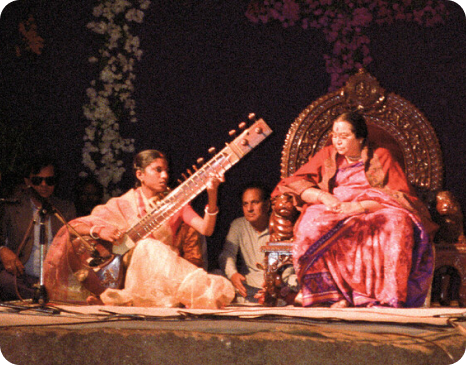
Sahaja Yogis should know the unique heritage of this country. Make attempts to become familiar with Indian classical music (vocal and instrumental) and learn to play at least one instrument.
Classical dance forms as an expression of devotion to the Almighty, and drama reflecting contemporary social relevance and human values.
History & Geography: Awareness of historical figures like Shri Shivaji, Rani Laxmibai, Rana Pratap, and independence struggle leaders.
Current Affairs: Universal awareness of social, political, and economic environments. Competency in Hindi, English, and mother tongue to communicate collective ideas.
Shri Mataji laid down fundamental rules of conduct to strengthen the collectivity and ensure the healthy spiritual development of the youth.
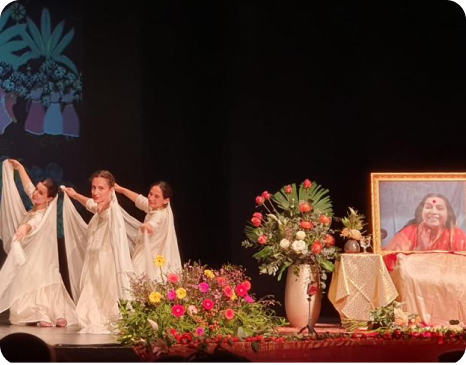
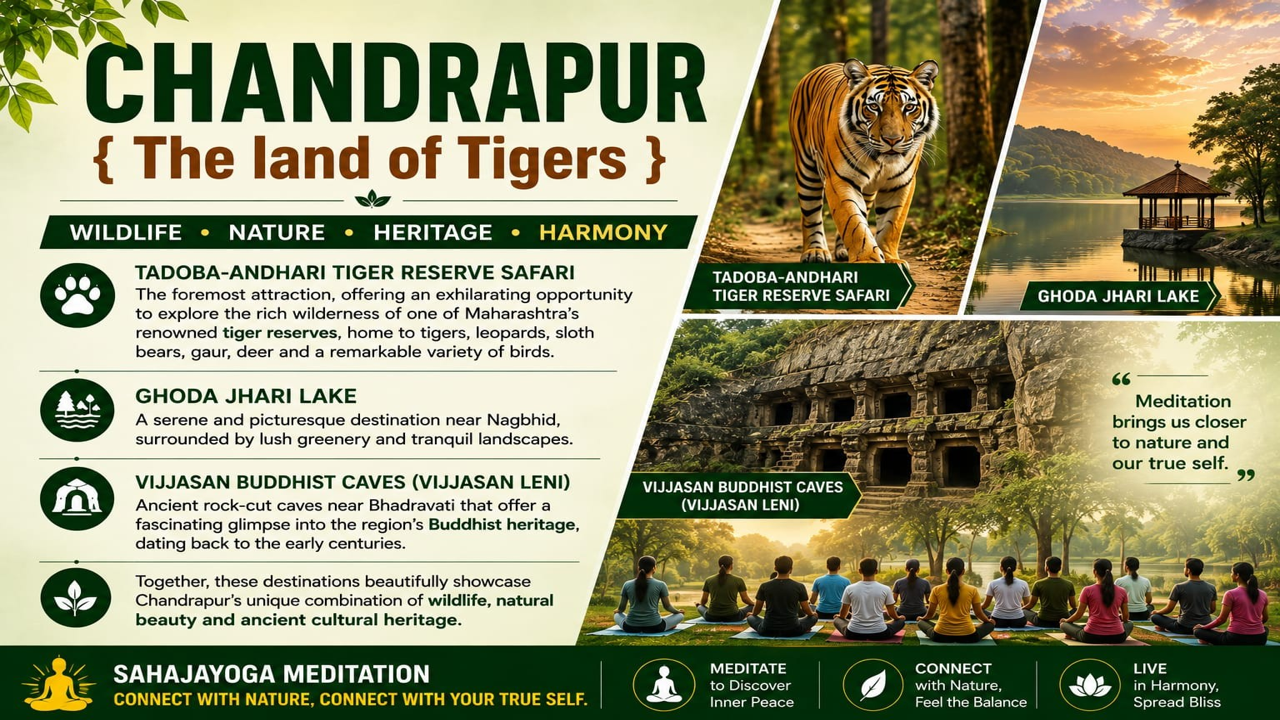
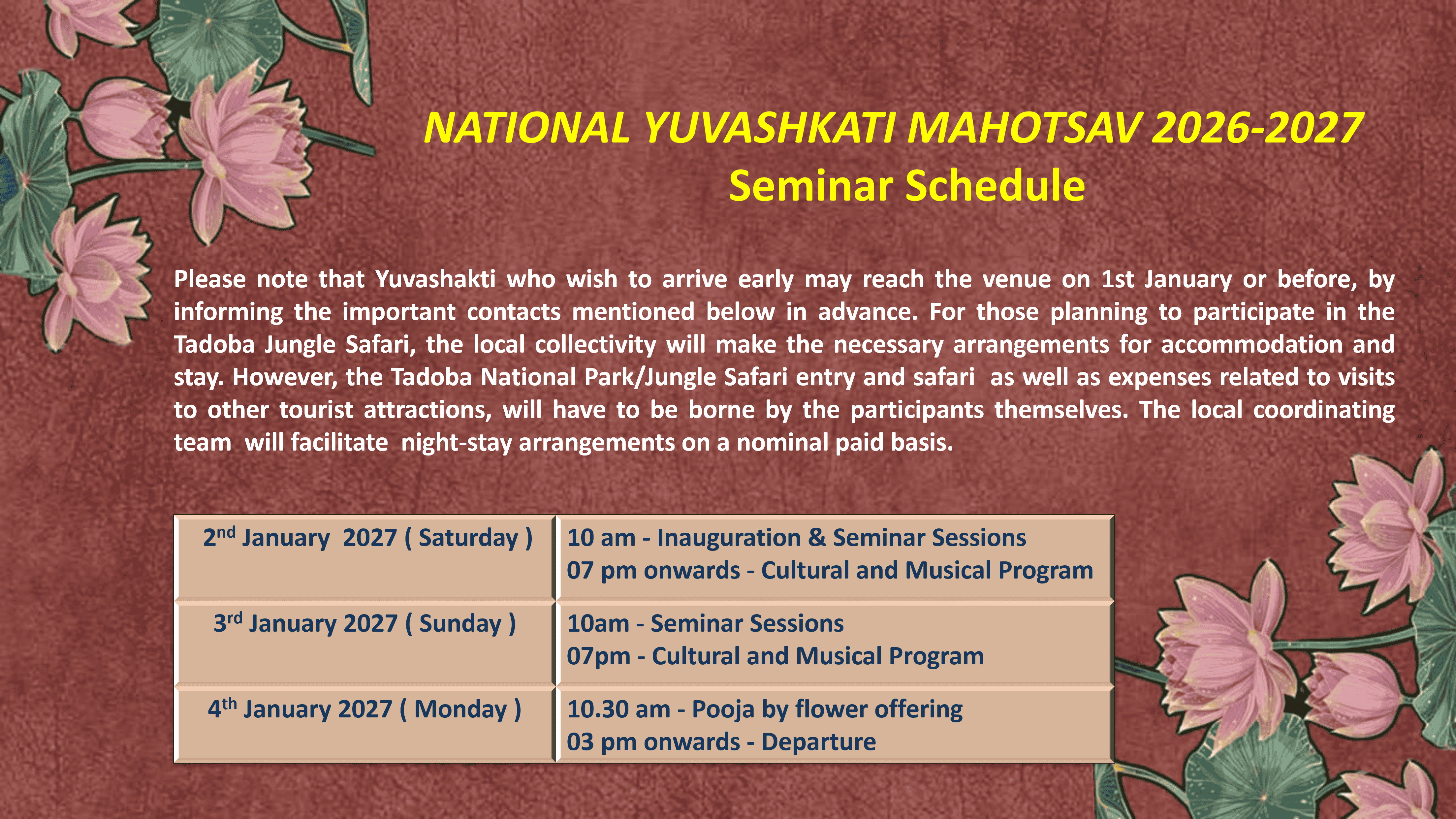
Participate in collective meditation, workshops, and music sessions at the National Yuvashakti Seminar 2027.
2nd, 3rd and 4th January 2027
Nirmal Nagari, Morwa, Nagpur Road, Chandrapur Maharashtra- 442406